Since 1999, EAG has been a Miami agency built for the market it lives in: bilingual, bicultural and fluent in the Hispanic audiences that define South Florida. For over 25 years it has planned, bought and produced campaigns across TV, radio, outdoor, streaming and digital, with its media rooted in Univision and Telemundo from the start. Its rule is simple: Hispanic work is built for the audience from the first idea, never translated after the fact.
EAG is led by founder and CEO Willy Riverón, who has spent more than 35 years in Miami advertising. For this pitch EAG brings in Capsule Media, the Miami production company behind HBO’s Emmy-nominated A Tiny Audience and commercials for Ford, T-Mobile and Walgreens, and its AI studio, Umanity: live action and AI under one roof.
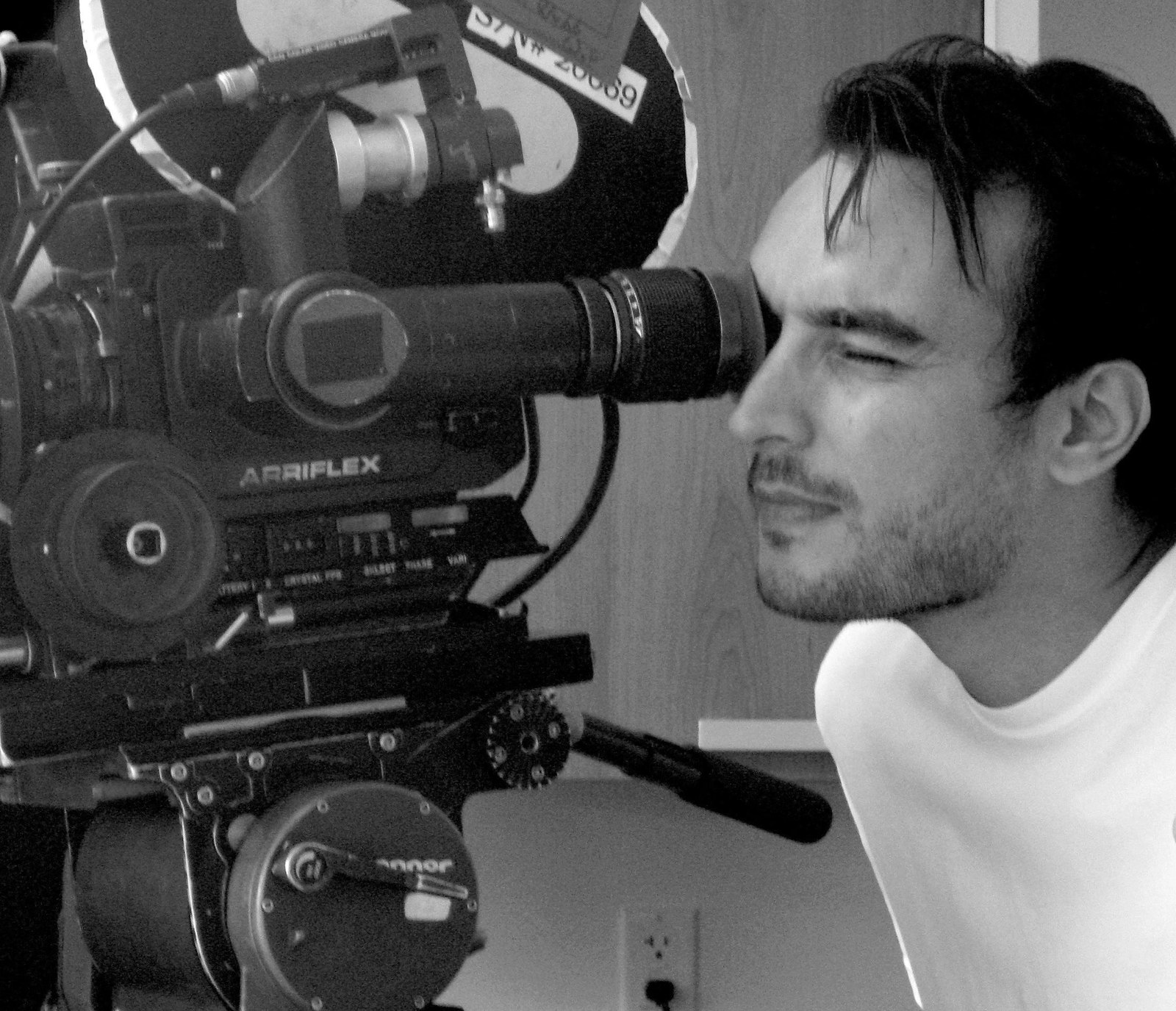
Capsule Media on set · Miami
1999EAG founded in Miami
25+Years serving South Florida
88Episodes of HBO’s A Tiny Audience
ES + ENOne team, both languages
01The team
The people behind the work
The same people who pitch the work make the work.
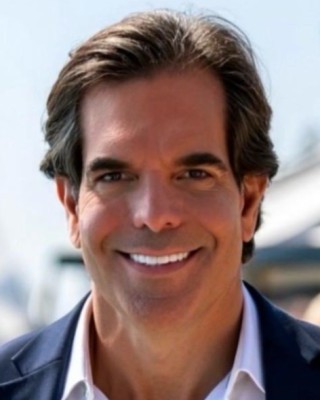
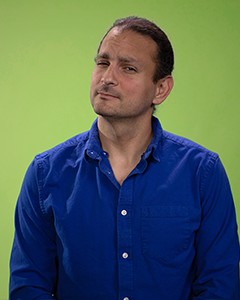
Willy Riverón
Founder & CEO, EAG
Willy Riverón founded Executive Advertising Group in 1999 and brings more than 35 years in advertising, media and multicultural marketing. By 23 he was already working for South Florida TV stations, cable networks and a major Spanish-language weekly, then spent a decade in media sales before going out on his own. He started EAG with no loans and no backers, and grew it through long-form TV, direct response and a pay-per-call model that ties every media dollar to the calls it produces. Through all of it, EAG has kept its focus on Miami’s Hispanic market, with work built for Spanish- and English-speaking audiences alike.
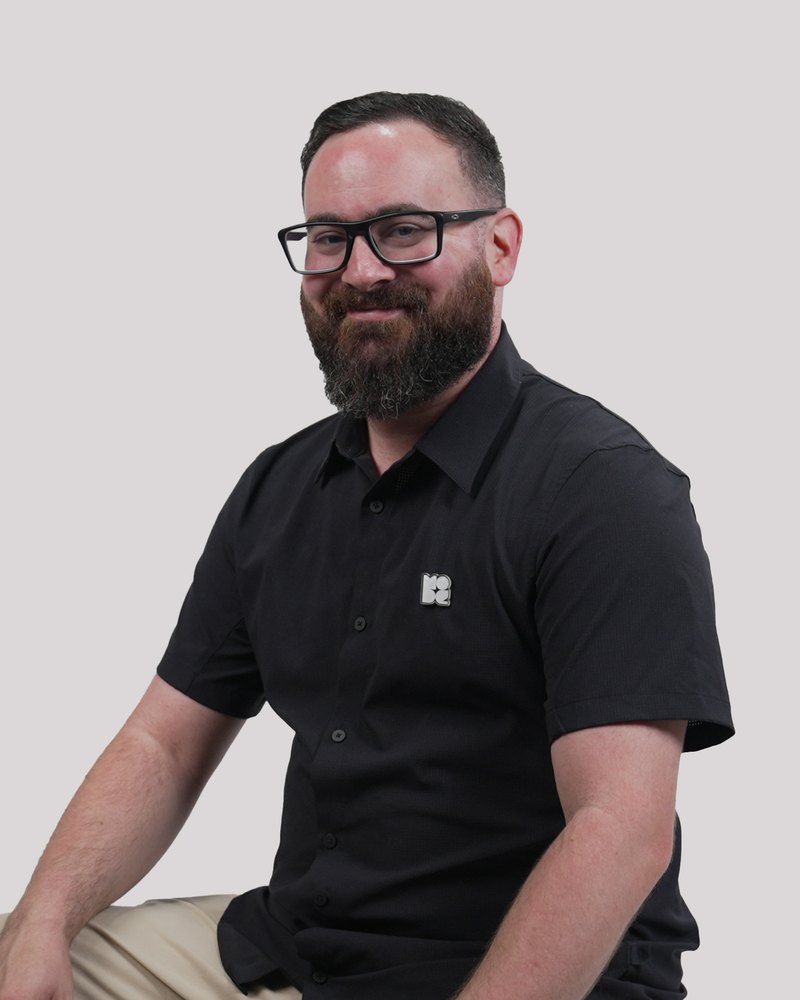
Pascal Jacquelin
Founder & Director, Capsule Media
Pascal Jacquelin is a Paris-born director and producer who grew up inside the music business, from Paris studios to Los Angeles sessions, before moving into sound design and then directing. He founded Capsule Media in Miami in 2001. He co-created and directed HBO’s Emmy-nominated music series A Tiny Audience and co-produced Quincy Jones’ PBS series Recording: The History of Recorded Music, and Capsule has delivered four seasons of Shark Week programming for Discovery. His commercial work spans Ford, T-Mobile, Mastercard, Hewlett Packard, Lowe’s, Walgreens and Toyota, from 30-second spots to multi-camera events, with more than 25 years in the industry.
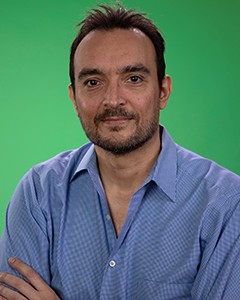
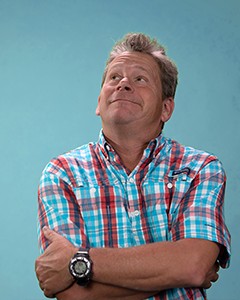
Chris Toth
Creative Director
A Florida creative director with more than 25 years leading campaigns for brands like Cleveland Clinic, Hostess and Victory Motorcycles. He created the “What a Ride!” launch for the new casino at Calder Casino & Race Course, and spent a decade at Miami’s Tinsley Advertising building work for PGA National Resort, Boca Raton Resort & Club, Palladium Resorts, Celebrity Cruises and Florida Keys tourism. Today he pairs that agency craft with AI-assisted production.
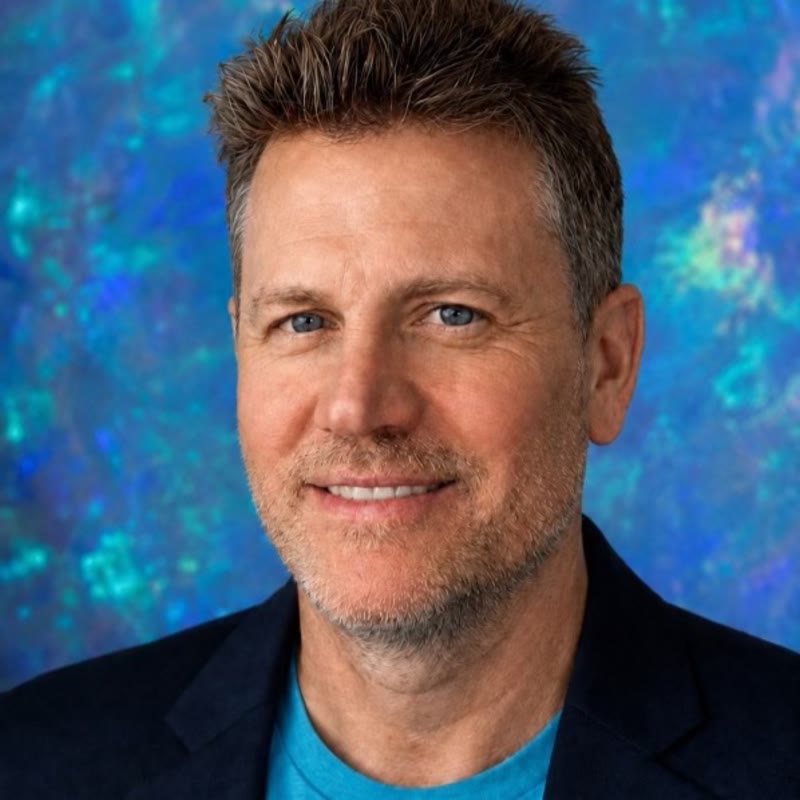
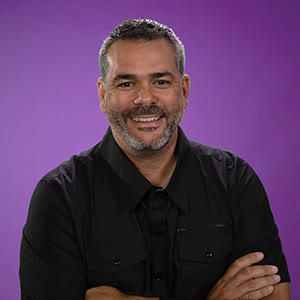
Dezi Marino
Lead Creative Director, AI Production · Co-founder, Umanity
Dezi Marino has spent nearly 20 years making images for brands like HBO, Discovery, Amazon Web Services, Sony, Ford, Volvo, VW, Bosch, Victoria’s Secret, Champion and Hanes, alongside a run of independent films. He started as a cinematographer, grew into a content producer, and today works as a Lead Creative Director on the frontier of AI production. As co-founder of Umanity, Capsule Media’s AI studio, he brings a cinematographer’s eye to every generated frame: light, lens and performance first, tools second. He built the cast, the voices and the test shot in this presentation.
Jim Esposito
Creative Director
Began his career with a decade as art director and creative director at McCann Erickson, then spent more than ten years as Capsule Media’s creative director, shaping campaigns from first idea to finished spot.
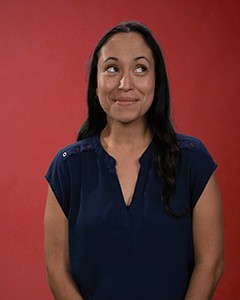
Marianna Antunez
Senior Producer, Capsule Media
Has run Capsule Media’s productions for more than 13 years, from TV spots and branded content to music video work for Pitbull. She started in Venezuelan film and television and has been producing for more than 20 years.
Rick Delgado
Director of Photography, Capsule Media
Miami director of photography and founder of WayPastWrap, a production and post house that takes projects from script to final picture. More than 25 years behind the camera, with commercial work for HBO, Discovery, MTV, Mastercard, Victoria’s Secret and Champion.
Joaquín Abreu
Post Production Director, Capsule Media
Has led post production at Capsule Media since 2012 and edited and delivered HBO’s A Tiny Audience. More than 25 years in the edit suite, including time as chief editor for E! News Latino and as a university film professor.
★
Casino and resort work, already on the reel.
Creative director Chris Toth launched the casino at Calder Casino & Race Course with “What a Ride!”, and has built campaigns for PGA National Resort, Boca Raton Resort & Club, Palladium Resorts and Celebrity Cruises. He knows how South Florida entertainment is sold, and to whom.
02Why “Magic City”
Miami was a month old when it became the Magic City.
Miami incorporated on July 28, 1896. Within weeks it had a nickname. Winter visitors came back each season to a city they barely recognized: a railroad, a grand hotel, whole streets that hadn’t been there the year before. It grew like magic, and the name stuck.
1896
Miami incorporates and becomes “the Magic City” within weeks.
1931
A gaming permit is granted on this ground at the Flagler Dog Track.
1952
One Miami family begins seven decades of running it.
2009
It becomes Magic City Casino, the first pari-mutuel in Miami-Dade with slots.
02Miami’s casino
The city’s name. The city’s casino.
Magic City Casino carries Miami’s own nickname, and it has earned it. This ground has been Miami gaming since 1931. It sits minutes from Little Havana, a stop on the City’s own trolley route, and its stage has belonged to Miami’s own artists, from Willy Chirino to Jon Secada.
National chains sell a destination. Magic City is where Miami already plays. It knows its regulars, their language and their neighborhoods, and that is something no national brand can copy.
Magic City Casino · Miami
03The ideas
Five ways to make Miami feel at home.
Each idea is built for Miami’s Hispanic audience first, in its own language, and carried through every channel Magic City buys.
Tap any idea for the broad strokes.
04How we make it
AI where it’s smarter. A crew where it counts.
AI production removes the slowest, most expensive parts of a campaign: casting, shoot days and talent usage fees. What’s left is the craft.
TV
Spots built from an approved cast and set. No casting call, no shoot day for every flight, no royalties when a spot re-airs.
Radio
The same characters’ voices in Spanish and English, ready for every promotion and every tag.
Outdoor
Boards from the same cast and world in any size, refreshed for each promotion without a new photo shoot.
Social
A weekly story with faces Miami already knows, made as you go instead of shot a year ahead.
04Why us
Production first. Then AI.
Umanity is the AI production studio of Capsule Media, built inside a company that has spent 25 years on sets, in edit bays and on broadcast deadlines. We didn’t start with software and look for a use for it. We started with production and rebuilt the parts AI does better. Our pipeline is custom-built: every character is locked to a reference sheet, so the same face, wardrobe and voice return in every spot. Every location is rebuilt from photos and video of the real space. Every camera move is planned against depth and motion passes, the way a cinematographer blocks a scene. Video models change month to month, and we test each one as it lands, so Magic City always gets the best tool available, not the one somebody bought last year.
The workflow is proven on air. Capsule Media is an approved AI production vendor for Comcast Advertising and has delivered broadcast-ready AI commercials through that relationship. Behind the studio are the people who still run traditional productions: directors, producers, editors, colorists and mixers who know exactly what broadcast-ready means. Plenty of studios can make a striking AI clip. We deliver campaigns: consistent, approved, on spec and on schedule across TV, radio, outdoor and social.
Depth map and motion-skeleton passes from a recent broadcast job. We block every move like a cinematographer before a single frame is generated.
04Where it’s heading
Rough blockout in. Finished frame out.
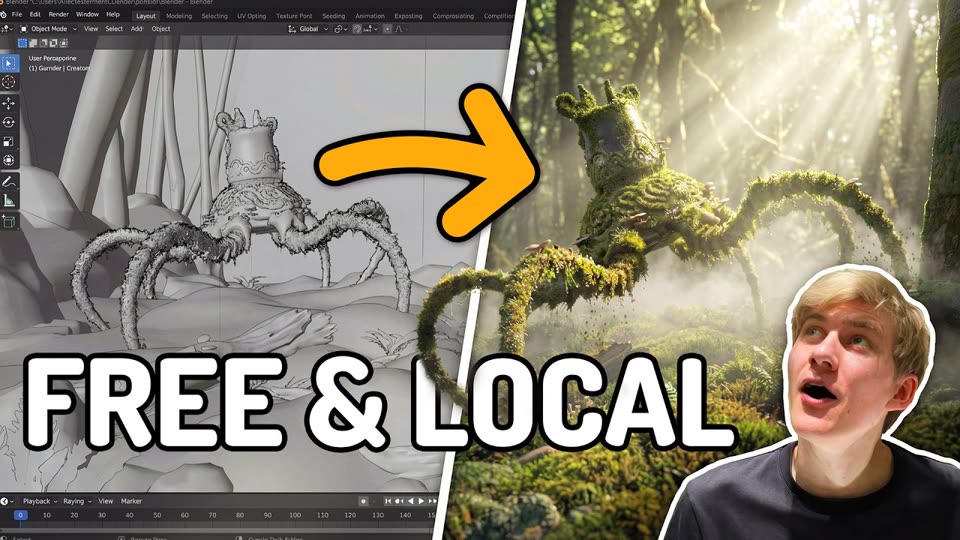
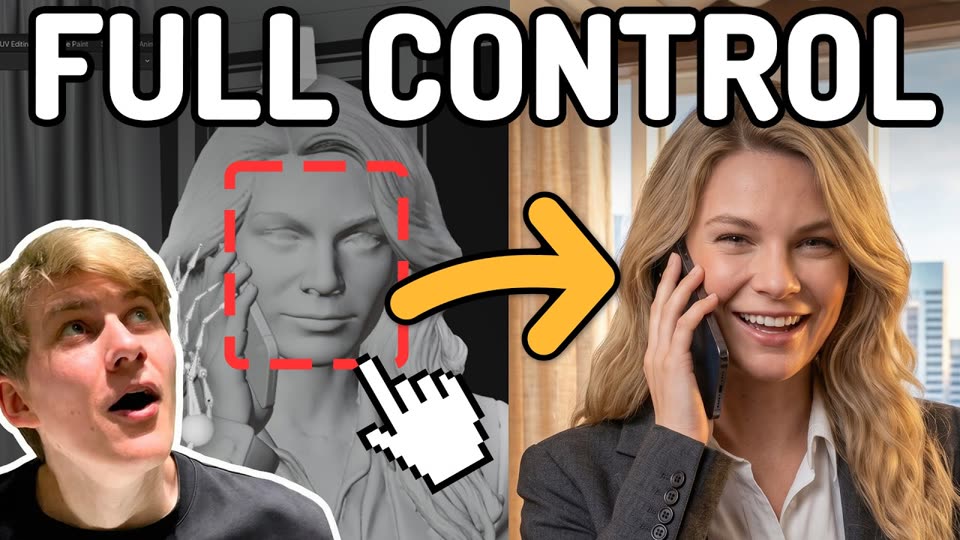
The newest technique starts with a simple 3D blockout, grey shapes and a planned camera move, and lets AI render the finished frame on top. It gives a director exact control over framing and motion. We’re building it into our pipeline now. These public demos from the wider community show the before and after.
Grey Blender shots, finished AI framesDepth and outline passes from a simple Blender scene, rendered into finished shots. Watch the before and after side by side in the first 30 seconds.
A blockout becomes a commercialUntextured scenes rendered and upscaled to 4K. At the end, the same method produces a complete mock motel commercial.
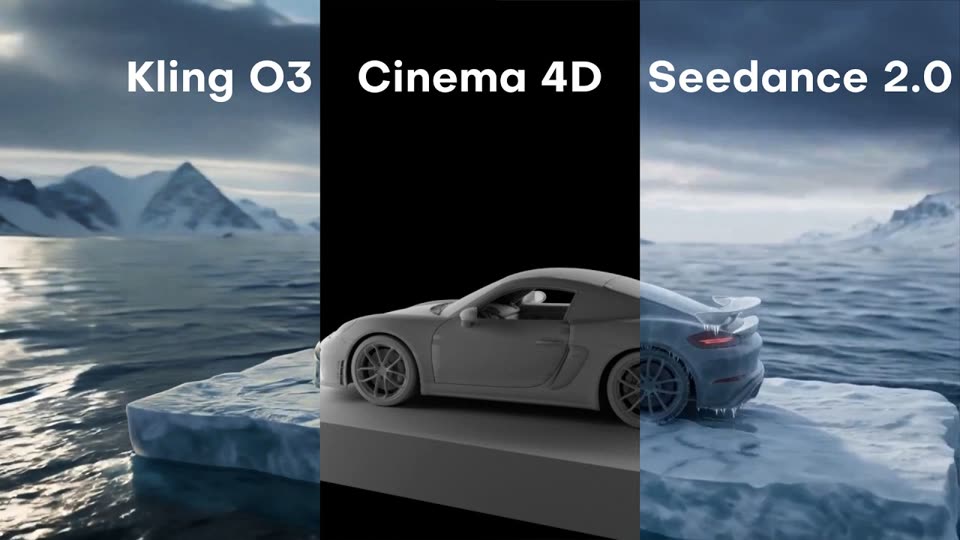
One grey car, four AI modelsAn untextured 3D car made photoreal by four video models, compared frame for frame. We test every model this way, so each job gets the best one.
Third-party demonstrations shown for reference, played from YouTube.
05Made for Magic City
We started with your floor.
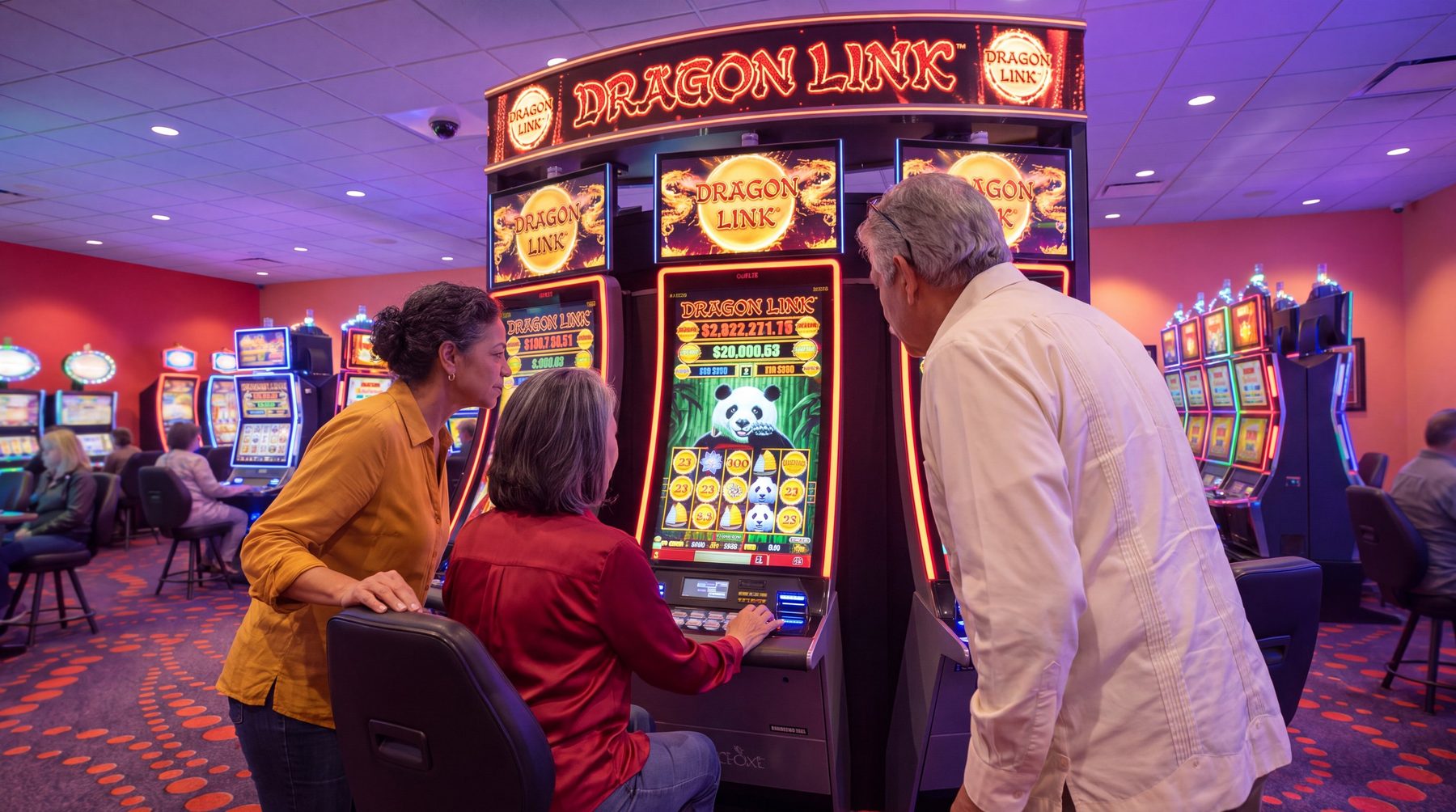
A test shot, built from Magic City’s own space and our AI cast of regulars. Here’s how it came together.
Your floor
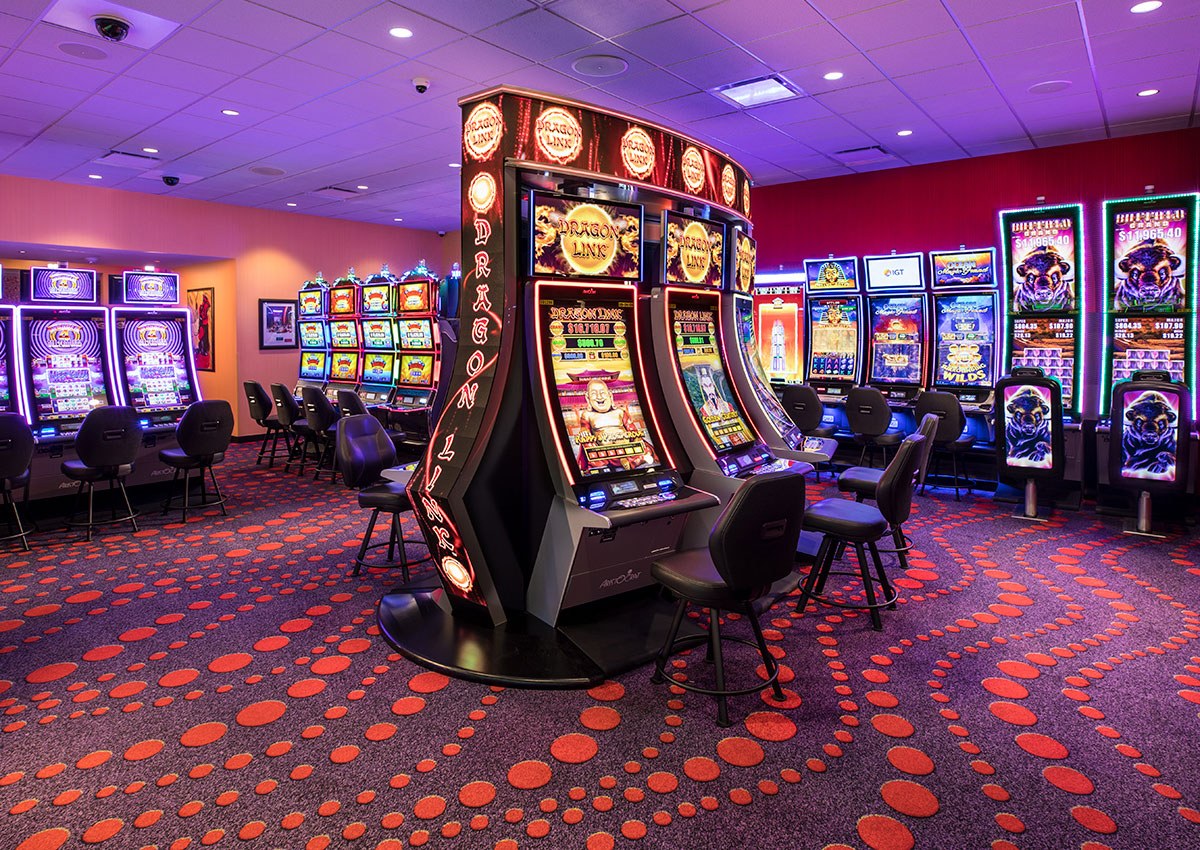
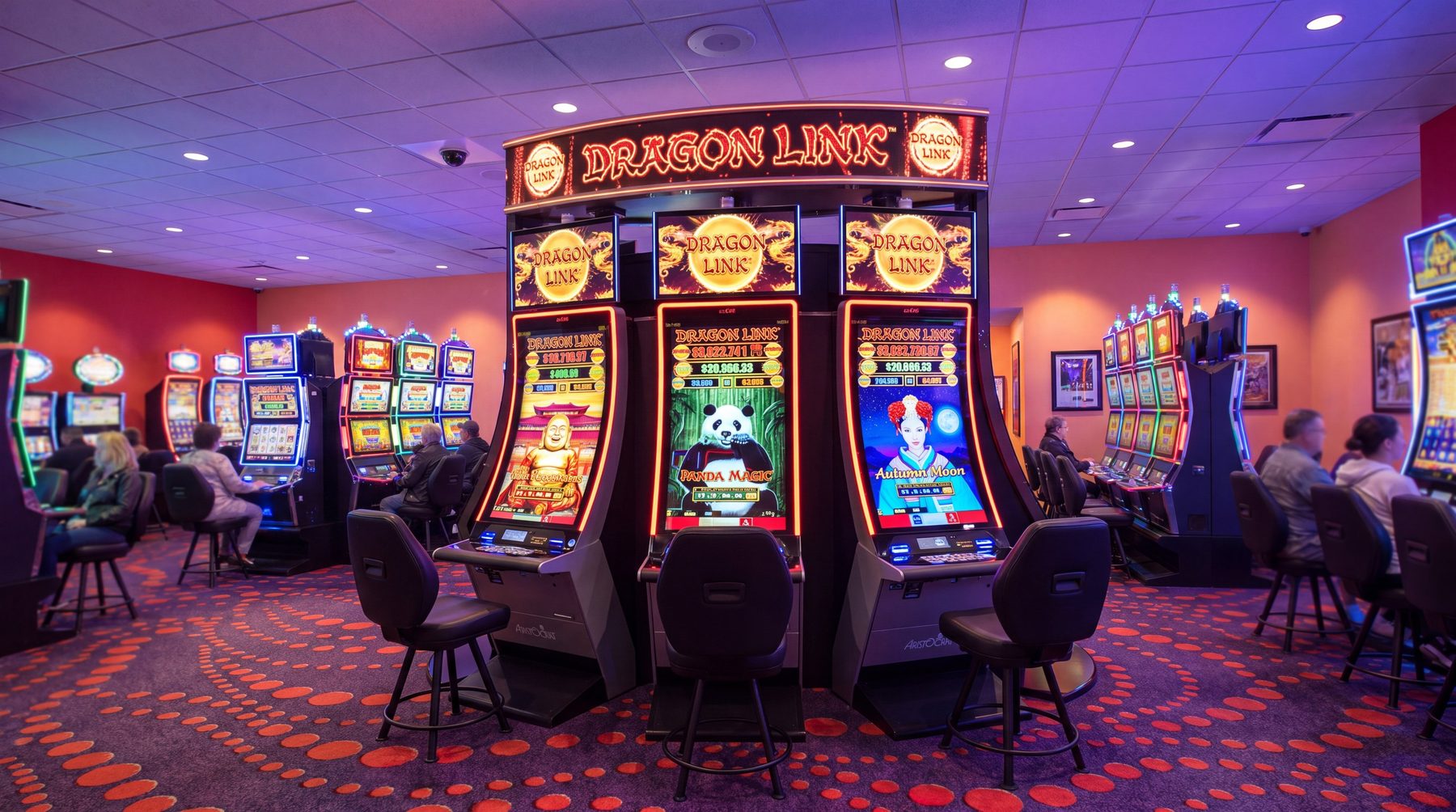
We began with Magic City’s own photo of its Dragon Link bank and the signature carpet that runs through the property.
Your cast
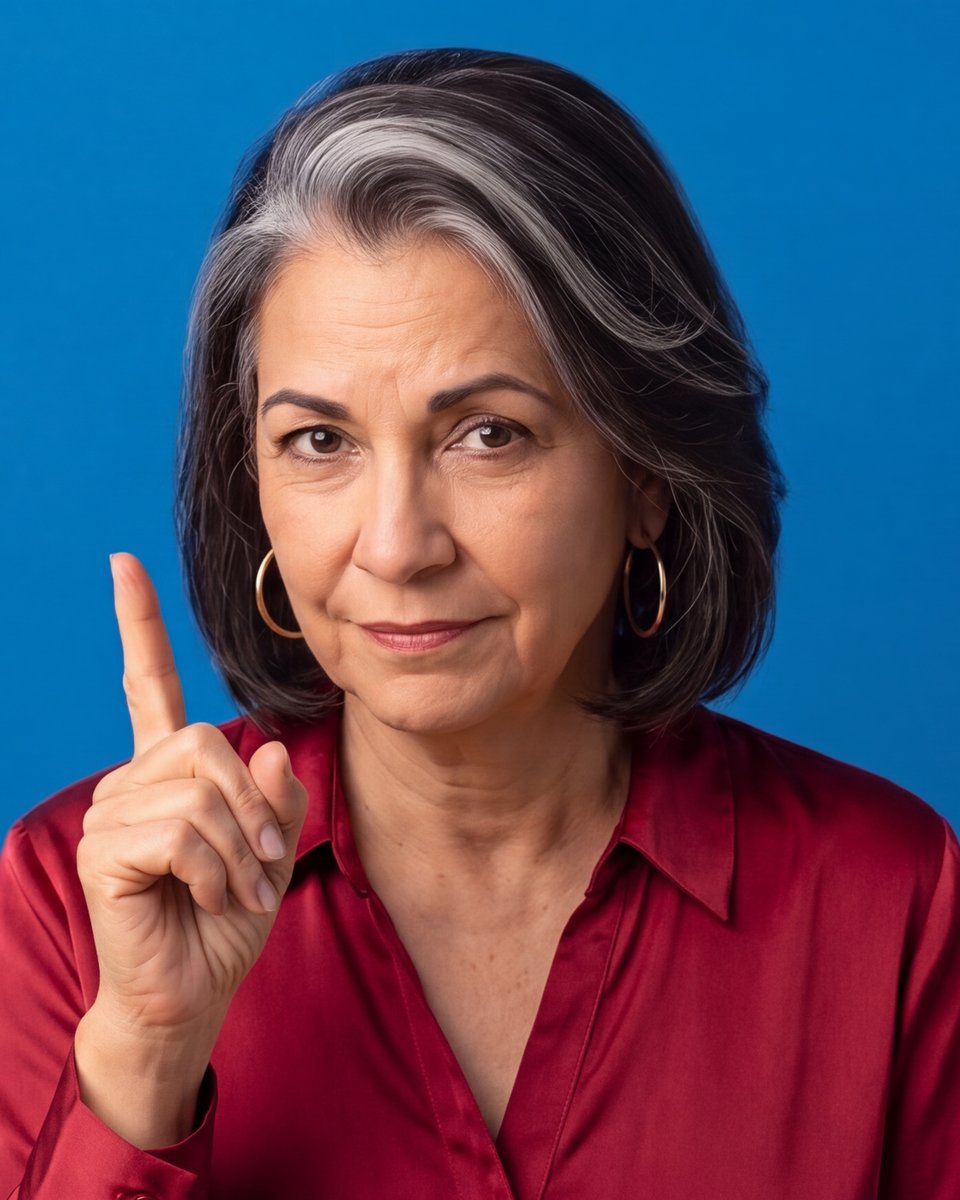
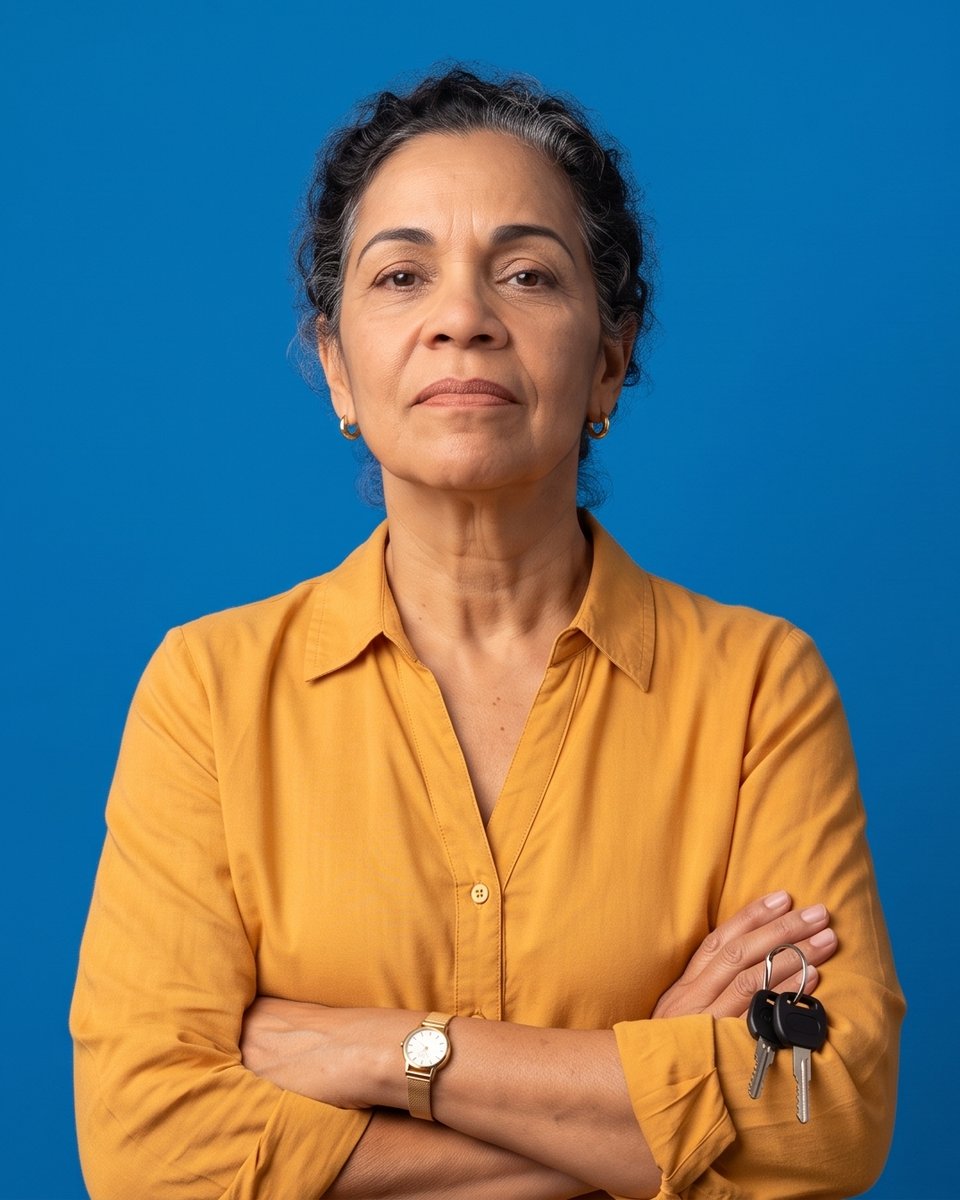
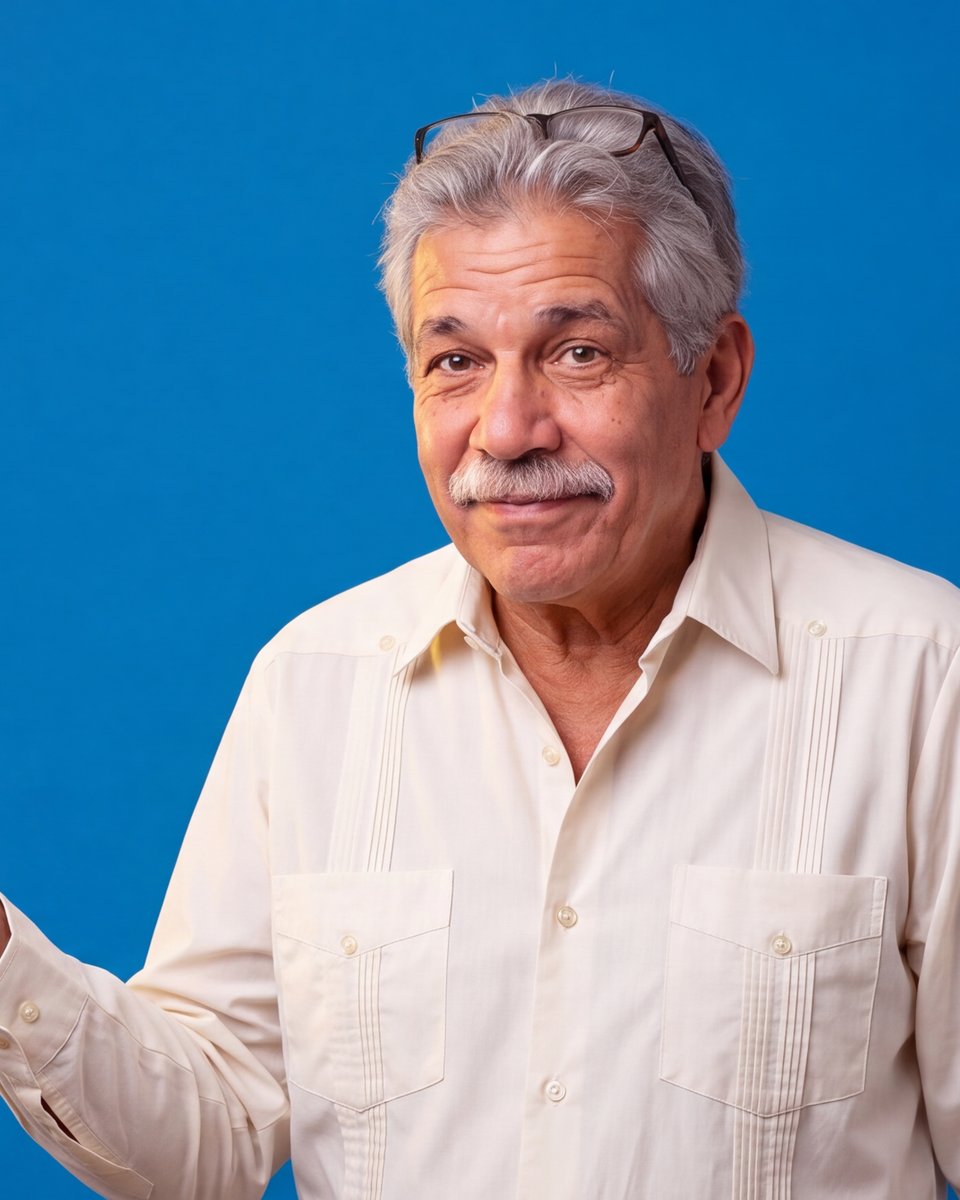
Three regulars from our AI cast: Mirta, Nereida and Rolo. Their image and likeness belong to the campaign, and they never expire.
The world
We rebuild the room around the machines so every angle stays true to the real floor.
The scene
We place the cast in the room, light it and plan the camera move. Then we bring it to life.
Test shot · 8 seconds
Machine artwork shown for demonstration. Final work features only the games Magic City’s slots team clears for advertising.
05What it takes
We capture the world. Then we build on it.
Every campaign starts with a walkthrough capture day: photos and video of the floor, the machines Magic City wants to feature, the signage, the bars and the terrace.
That library teaches our system what Magic City actually looks like, so every scene, from a TV spot to a story post, is unmistakably your casino. We capture the world once and build on it all year.
Capture → world → campaign
06All year, every channel
One cast. One world. All year on air.
Our data suggests Magic City is on air roughly 48 weeks a year, with four to six major promotions and likely more we haven’t seen. A year of content shot up front goes stale before it airs. With an approved cast and a captured world, we produce as we go: new spots, boards, radio and social for every promotion, with the same faces each time and no reshoots or talent royalties slowing it down.
OctNovDecJanFebMarAprMayJunJulAugSep
Always-on weekly story · social, radio tags, in-casino screens
Claim the CrownA New MillionNext promotions, slotted in as they’re set
TVRadioOutdoorSocialPoint of purchaseDirect mail
06When it calls for a real set
And when it counts, we shoot.
Not everything should be AI. For the big moments, we bring in a trusted local face, someone like Ambrosio Hernández, the longtime Univision 23 and Telemundo 51 anchor Miami has trusted at the dinner hour for four decades. Then we shoot it on a real set with a real crew.
The same team runs both, so live footage and AI scenes cut together as one campaign. AI when it’s smarter, a shoot when it counts: that flexibility is what makes us a partner for the long run.
AI when it’s smarter. A shoot when it counts. One team for both.
07Meet the Miami Adman
He knows Miami. He knows the tables.
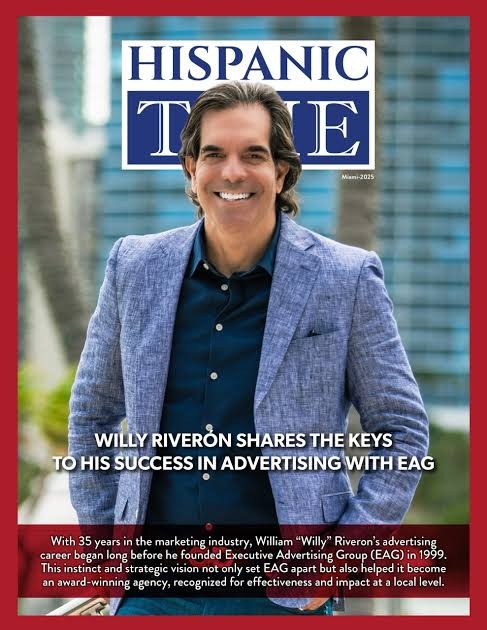
Willy Riveron founded EAG in 1999 and has spent about 35 years in Miami advertising, most of it speaking to the city’s Hispanic community in its own language. Miami knows him as the Miami Adman.
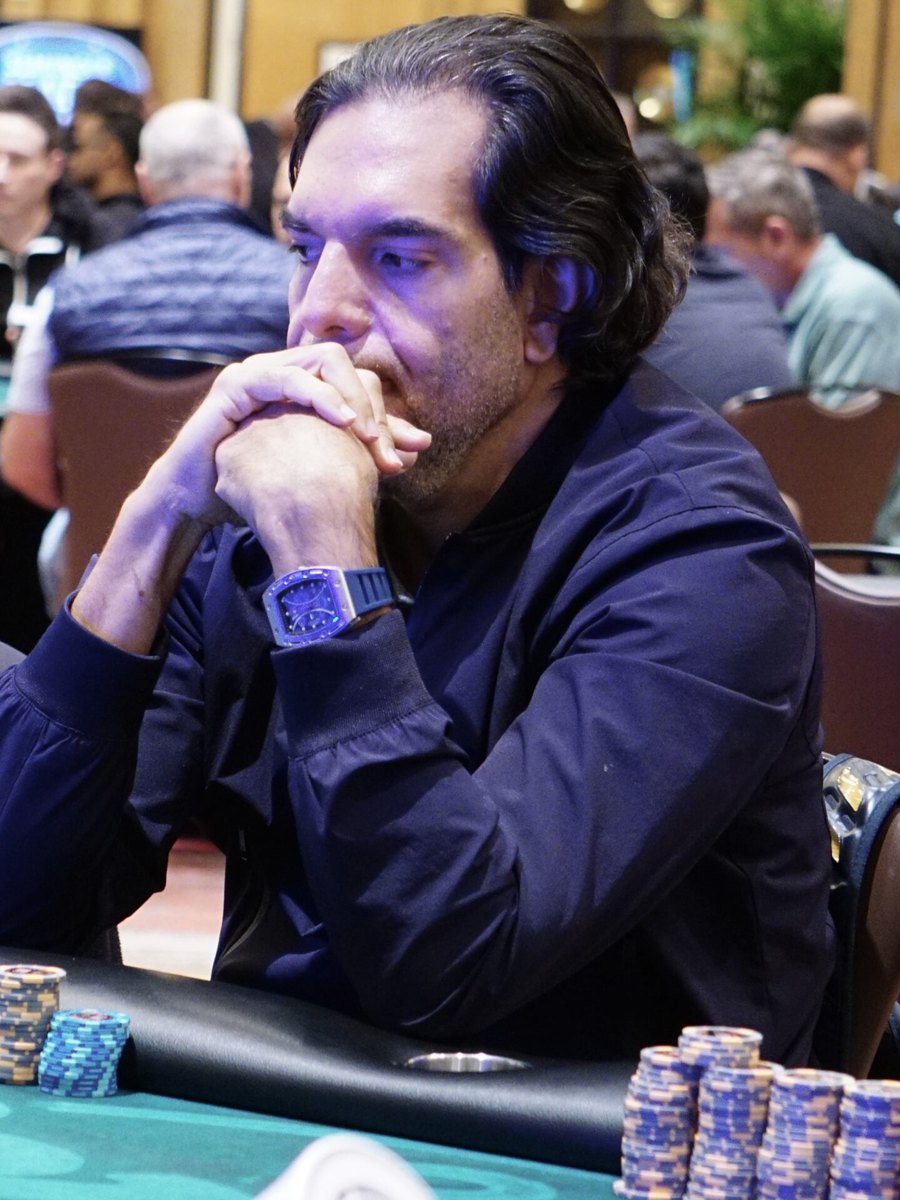
He’s also an avid poker player. He knows casino life from the player’s side of the table: what brings regulars back, and what keeps them loyal.
¡Gracias! Thank you.
Next: choose the ideas to develop, schedule a walkthrough capture day at the property, and put the first spots into review.